Automotive Ceramic Coating Near Me: A Practical Guide
If you have recently found yourself typing "automotive ceramic coating near me" into your favorite search engine, you are already on the right path to preserving your vehicle's aesthetic and financial value. Every day, your car faces a barrage of environmental hazards. From harsh UV rays baking the paint to highly acidic bird droppings, keeping a car looking showroom-fresh feels like a constant battle.
For decades, car enthusiasts relied on traditional carnauba waxes and polymer sealants. While effective in the short term, these products require constant reapplication. Today, auto ceramic coating has emerged as the ultimate solution for long-term vehicle protection.
In this comprehensive guide, we will explore the science behind this innovative technology, break down the unmatched benefits of professional nano ceramic coating and ceramic paint protection, and help you determine the best way to protect your automotive investment.
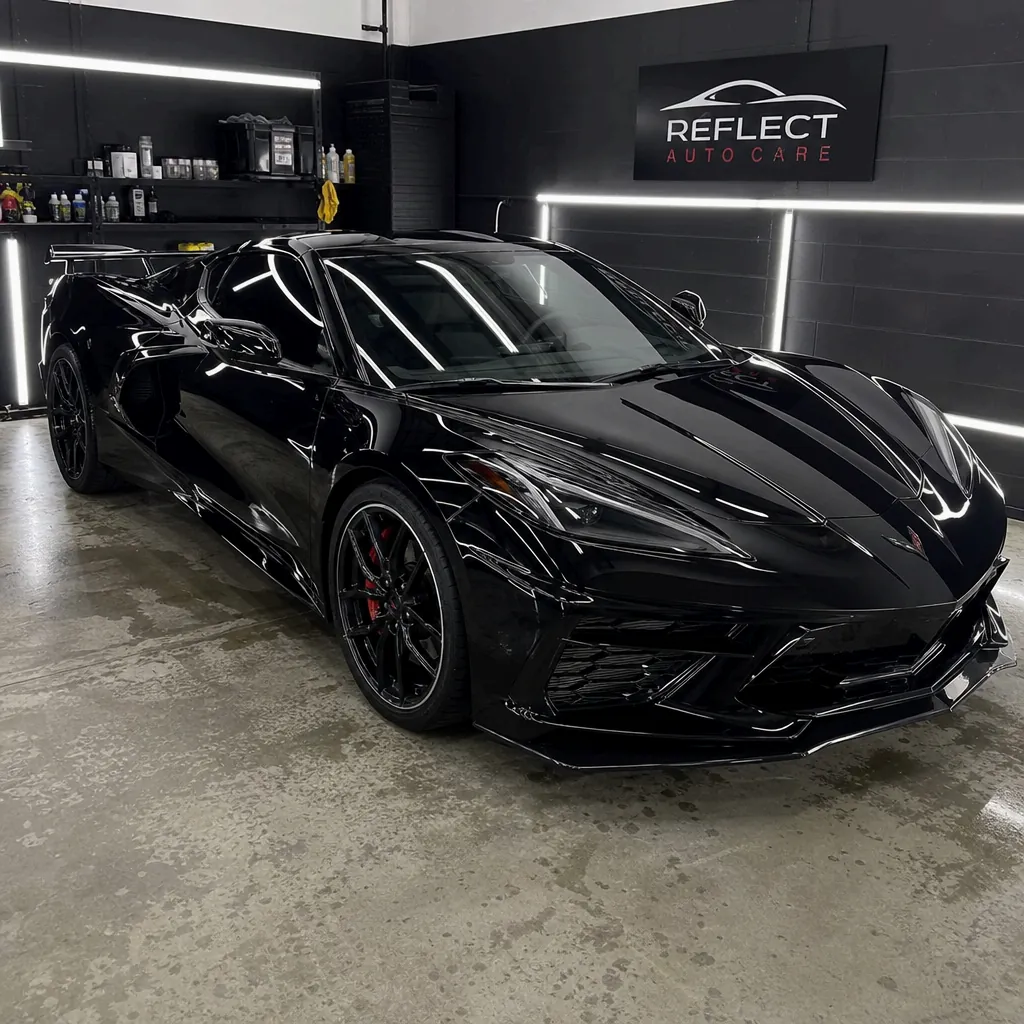
The Science of Shine: What Exactly is Ceramic Coating?
At its core, a vehicle ceramic coating is a liquid polymer applied by hand to the exterior of a vehicle. Unlike wax, which simply sits on top of the surface, this chemical solution actually bonds with your vehicle's factory clear coat. This creates a semi-permanent or permanent layer of protection that won't wash away or break down under normal conditions.
The Power of Silica Dioxide
The secret to this incredible durability lies in the chemistry. High-quality coatings leverage the hydrophobic properties of silica dioxide (SiO2), often sourced from quartz or sand. When this compound cures, it creates an invisible, microscopic shield over your car's paint. This shield repels water, dirt, and grime at a molecular level.
Decoding Paint Hardness
When researching products, you will likely come across the term "9H." Understanding the 9H hardness scale is crucial for setting your expectations. This scale refers to the pencil hardness test, which measures the scratch resistance of a surface. A 9H rating is the highest on this specific scale, meaning the coating provides a durable, hardened sacrificial layer that is highly resistant to minor abrasions and chemical etching.
Top Advantages of Upgrading to Ceramic Paint Protection
Why are so many drivers abandoning traditional detailing methods in favor of this advanced technology? The answer lies in a combination of stunning aesthetics and unparalleled daily protection.
1. Superior Environmental Defense
Your car's clear coat is highly susceptible to the sun's ultraviolet rays. Over time, UV exposure breaks down the chemical bonds in the paint, leading to a dull, chalky appearance. By preventing automotive paint oxidation and fading, a ceramic layer ensures your vehicle retains its deep, glossy color for years.
Furthermore, this barrier provides incredible seasonal protection against road salt and bird droppings. Road salt can rapidly accelerate rust and corrosion during winter months, while the uric acid in bird droppings can etch into a clear coat in a matter of hours. Ceramic coatings act as a chemical-resistant shield, giving you ample time to wash away these contaminants before they cause permanent damage.
2. The Unmatched Self-Cleaning Effect
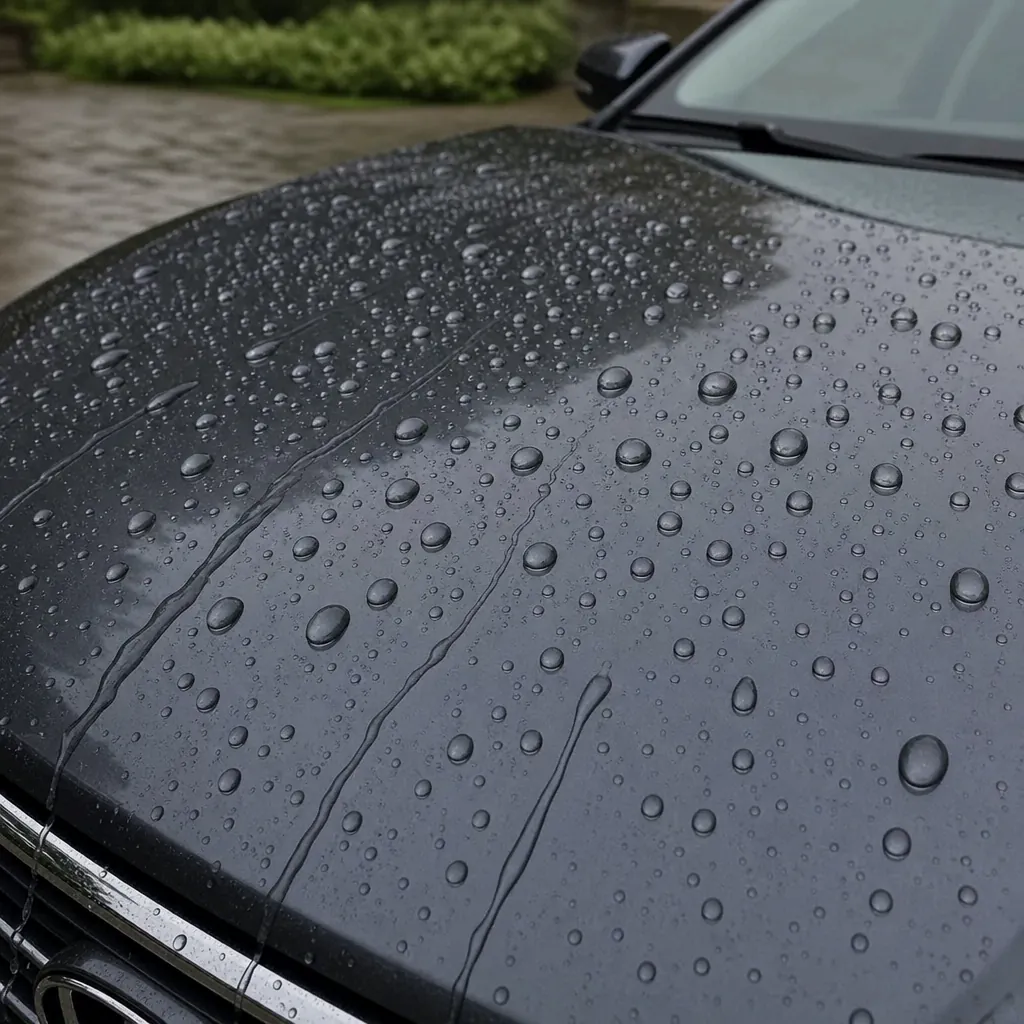
Because of the intense water-repelling properties of SiO2, water effortlessly beads up and rolls off the surface of a coated car. As it rolls, it encapsulates dirt and sweeps it away. While it doesn't mean you will never have to wash your car again, it makes the cleaning process dramatically faster and easier.
3. Outperforming Traditional Wax
When evaluating ceramic coating vs car wax performance, there is simply no contest. A high-quality car wax might look fantastic for three to six weeks before melting off in the summer sun or being stripped away by harsh detergents. A professional-grade coating, on the other hand, measures its lifespan in years, providing superior gloss, slickness, and protection through extreme temperature fluctuations.
The Art of Preparation: Why Professional Application Matters
Achieving a flawless, mirror-like finish is not just about the coating liquid itself; it is entirely dependent on the preparation. Applying a highly durable transparent layer over damaged paint will simply lock in those imperfections for years to come.
Perfecting the Canvas
Before a drop of coating touches your car, a reputable detailer offering ceramic coating services will perform extensive prep work. The professional ceramic coating application steps typically include:
- Decontamination Wash: Stripping old waxes and using iron removers to dissolve brake dust.
- Clay Bar Treatment: Pulling microscopic embedded contaminants out of the clear coat.
- Paint Correction: This is the most critical step. Detailers spend hours removing swirl marks with paint correction using machine polishers and specialized compounds. This levels the clear coat and restores a flawless, mirror-like reflection.
- Panel Wipe Down: Using an isopropyl alcohol solution to remove all polishing oils, ensuring the coating can bond properly to the bare clear coat.
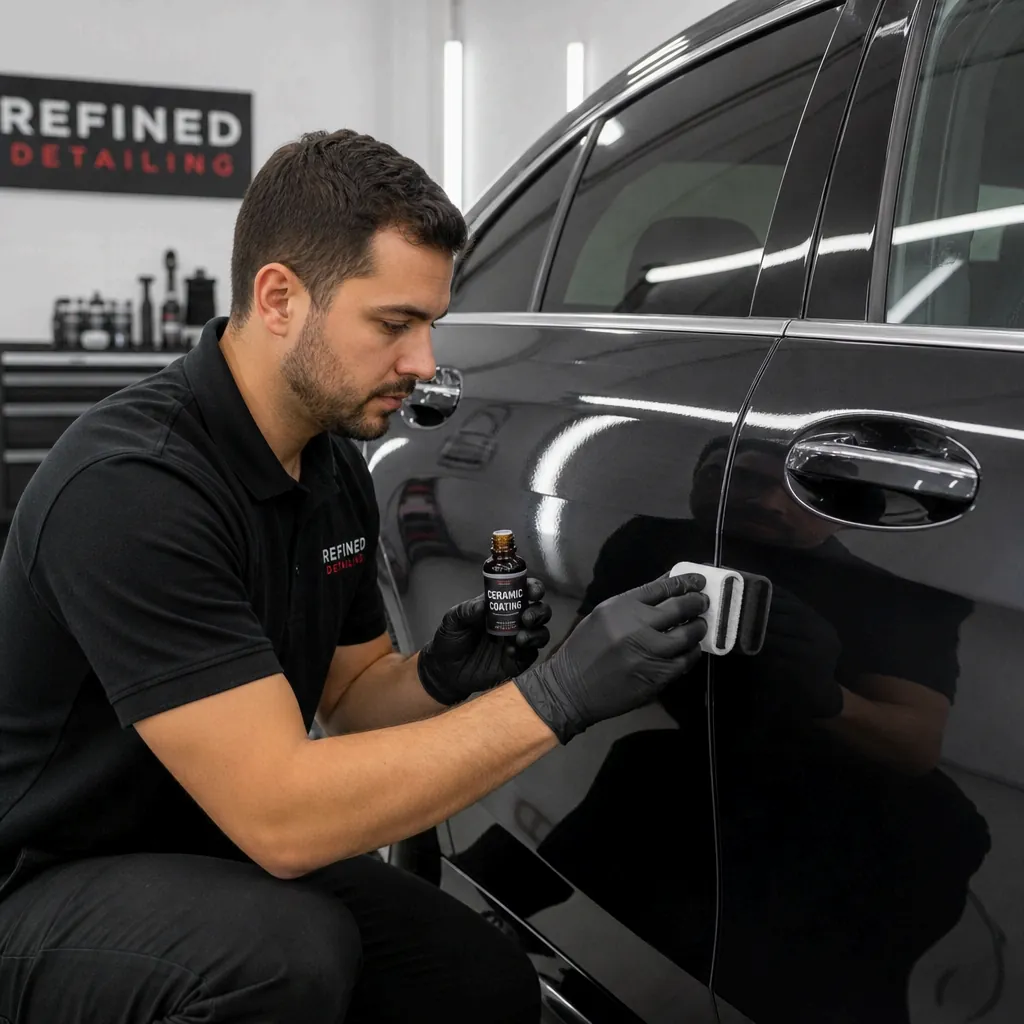
- Application: Carefully applying the coating in a cross-hatch pattern, allowing it to "flash" (partially evaporate), and meticulously leveling it with microfiber towels.
Combining Technologies for Ultimate Defense
For drivers who want the absolute pinnacle of protection, detailers often recommend applying ceramic coating over paint protection film (PPF). While ceramic coatings protect against chemicals and UV rays, PPF provides physical protection against rock chips and deep scratches. Adding a ceramic layer on top of PPF makes the film easier to clean and extends its lifespan.
Making the Choice: At-Home Kits vs. Professional Shops
With the rise in popularity of these protective layers, the market has been flooded with consumer-grade auto ceramic coating products. When weighing DIY ceramic coating kits vs professional installation, it is important to understand what you are paying for.
DIY kits are formulated to be forgiving. They have lower concentrations of active ingredients, making them easier to apply without leaving "high spots" (dark, cloudy streaks of uncured coating). However, this forgiveness comes at the cost of durability, usually lasting only a year or two.
Choosing a professional ceramic coating means gaining access to commercial-grade formulas that require precise temperature and humidity control to apply. Furthermore, the curing time for professional grade coatings often requires the vehicle to be kept indoors, sometimes under specialized infrared baking lamps, to ensure optimal cross-linking of the polymers.
Lifespan and Investment: What to Expect
Two of the most common questions from car owners are regarding longevity and price.
How Long Does Ceramic Coating Last on a Car?
The lifespan of your coating depends heavily on the grade of the product, how well the paint was prepped, and how the vehicle is maintained.
- Consumer/DIY spray coatings: 6 months to 1 year.
- Entry-level professional coatings: 2 to 3 years.
- Premium multi-layer professional coatings: 5 to 9+ years (often backed by a manufacturer warranty).
Understanding the Financial Investment
Because of the extensive labor involved in paint correction, the cost of ceramic coating for different vehicle sizes varies significantly.
- Compact Cars & Sedans: Generally require less prep time and less liquid product. Expect to invest anywhere from $800 to $1,500 for a quality professional job.
- Mid-Size SUVs & Trucks: The larger surface area demands more compounding and polishing. Prices typically range from $1,200 to $2,000.
- Large Vehicles (Minivans, Heavy-Duty Trucks): Due to the massive amount of clear coat that needs leveling and coating, these can range from $1,500 to upwards of $2,500.
While the upfront cost is higher than traditional car detailing services, the investment pays off by eliminating the need for seasonal waxing, reducing washing time, and maintaining a higher resale value for the vehicle.
Preserving the Shine: Maintenance Best Practices
Once your vehicle is coated, proper maintenance is vital to keep the hydrophobic properties active. Many people make the mistake of running their newly coated car through an automatic brush wash, which can introduce micro-scratches and degrade the coating prematurely.
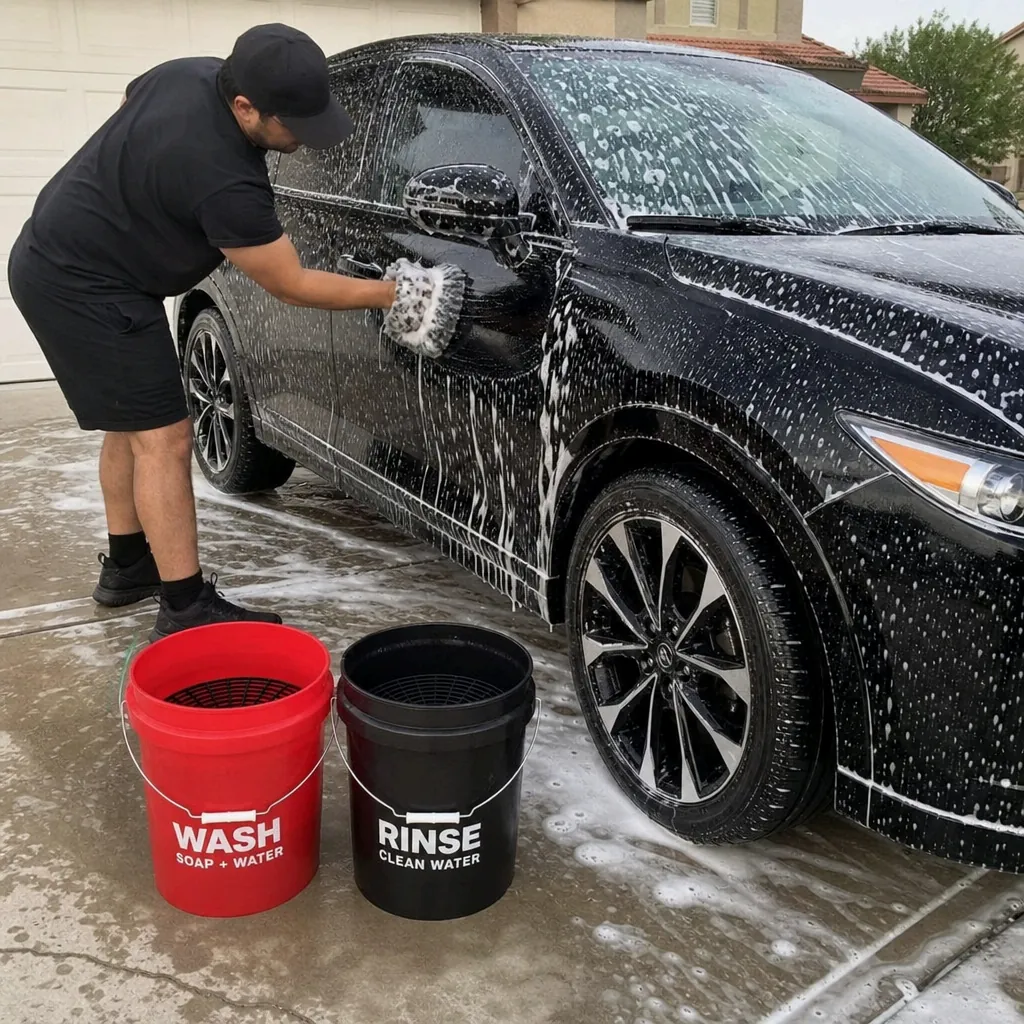
Instead, focus on maintaining ceramic coating with touchless car washes or using a safe, two-bucket hand wash method at home. Always use a pH-neutral car shampoo free of waxes or sealants, as these can clog the microscopic pores of your coating and mask its water-beading abilities.
Finding the Right Expert in Your Area
If you are convinced that this is the right protection for your vehicle, the next step is finding a reputable shop. Don't just settle for the first result when searching for a "vehicle ceramic coating near me."
Take your time choosing a certified local ceramic coating installer. Look for shops that are accredited by major coating manufacturers (such as Ceramic Pro, Gtechniq, or Feynlab), as these brands require detailers to undergo rigorous training before allowing them to purchase their professional-grade formulas. Read customer reviews, ask to see their paint correction bays, and ensure they offer comprehensive ceramic coating services that include proper warranties.
Final Thoughts
Investing in a high-quality auto detailing solution is one of the smartest things you can do for your vehicle's exterior. By rejecting outdated waxes and embracing modern silica technology, you lock in a flawless shine that withstands the elements year-round.
So, the next time you think about typing "automotive ceramic coating near me" into your phone, you can do so with confidence. You now possess the knowledge to choose the right professional, ask the right questions, and ensure your vehicle looks absolutely spectacular for years down the road.
Q&A
Does a 9H ceramic coating make my car scratch-proof?
No. "9H" refers to the highest rating on the pencil hardness test, indicating strong resistance to minor abrasions and chemical etching. It creates a hardened, sacrificial layer over your clear coat, but it won't stop deeper scratches or rock chips.
Will I ever need to wash my car again after ceramic coating?
You'll still need to wash it, just less often and with less effort. The SiO2-based coating is highly hydrophobic, so water beads and helps carry away dirt. For best results, avoid automatic brush washes, use touchless or a careful two-bucket hand wash, and choose a pH-neutral shampoo without waxes or sealants to keep the coating's water-beading at its peak.
DIY kit or professional installation — which should I choose?
DIY kits are more forgiving (lower active content) and easier to apply but typically last 1–2 years. Professional coatings use stronger formulas that require precise prep, controlled conditions, and proper curing — often delivering multi-year durability. Crucially, pros perform extensive prep (decontamination, clay, multi-step paint correction, panel wipe) so the coating bonds to a flawless surface instead of locking in defects.
Can ceramic coating prevent rock chips?
Ceramic coating excels at chemical and UV protection but does not stop rock chips or deep scratches. For physical impact resistance, use paint protection film (PPF). Many detailers apply ceramic coating over PPF to make the film easier to clean and extend its lifespan.
How long does ceramic coating last, and what should I expect to pay?
Longevity depends on product grade, prep quality, and maintenance. Typical ranges: consumer/DIY spray coatings last about 6 months to 1 year; entry-level professional coatings 2–3 years; premium multi-layer professional systems 5–9+ years (often with warranties). Pricing reflects prep time, vehicle size, and product tier: compact cars/sedans $800–$1,500; mid-size SUVs/trucks $1,200–$2,000; large vehicles $1,500–$2,500+.
Related reading
Ready to protect your vehicle with a professional ceramic coating in Monument or Colorado Springs?
Book Now