The Science of the Fog: Why Do Headlights Turn Yellow?
Have you ever struggled to see the road on a dark, rainy night, even with your high beams turned on? The culprit might not be failing bulbs, but rather the hazy, yellowed plastic housings covering them. Over time, clear headlight lenses degrade, dramatically reducing the light output of your vehicle and compromising your safety.
When this happens, you might instinctively pick up your smartphone and type "restore headlights near me" into a search engine. Finding a local solution is one of the smartest, most cost-effective decisions you can make for your car's appearance and your nighttime safety.
In this comprehensive guide, we will explore the science behind failing headlights, how professional services compare to at-home remedies, and exactly what to look for when choosing local experts to bring the shine back to your vehicle.
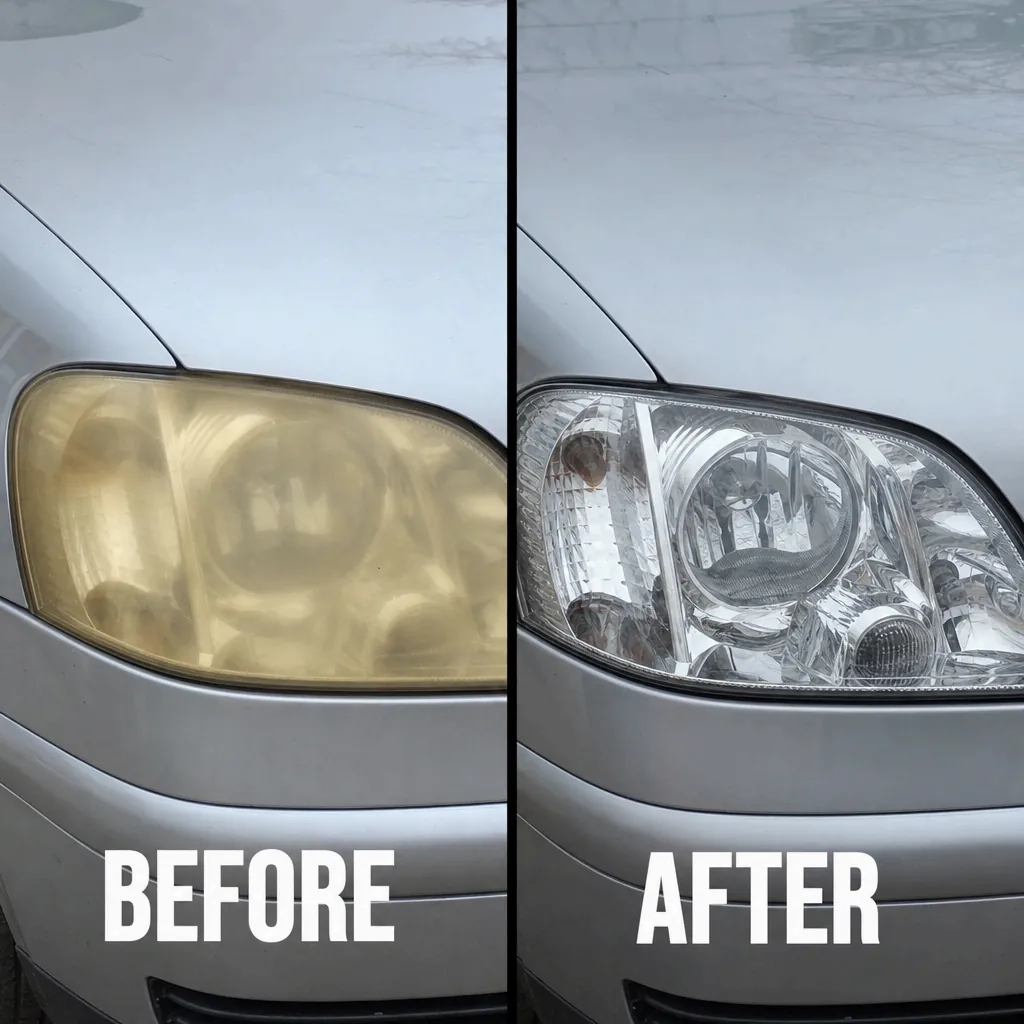
The Science of the Fog: Why Do Headlights Turn Yellow?
If you are wondering exactly why do headlights turn yellow, the answer lies in automotive manufacturing history. Decades ago, car headlights were made of glass. While glass never yellowed, it was heavy, expensive, and shattered easily upon impact. Today, almost all modern vehicles use polycarbonate plastic.
While incredibly durable and impact-resistant, this material is highly susceptible to polycarbonate plastic degradation. When exposed to harsh elements, the plastic begins to break down. The primary culprits include:
- Ultraviolet (UV) Rays: The sun bakes the factory UV sealant on your headlights, eventually wearing it away and oxidizing the raw plastic beneath.
- Road Debris: Sand, pebbles, and road salt cause micro-scratches on the lens, creating a cloudy appearance.
- Harsh Chemicals: Certain acidic car wash soaps and road fluids accelerate the breakdown of the lens's protective layer.
When the factory sealant fails, oxidation takes over. This is why removing oxidation from car lamps is vital — not just for aesthetics, but for the basic functionality of your car.
The Safety Factor: Improving Night Driving Visibility
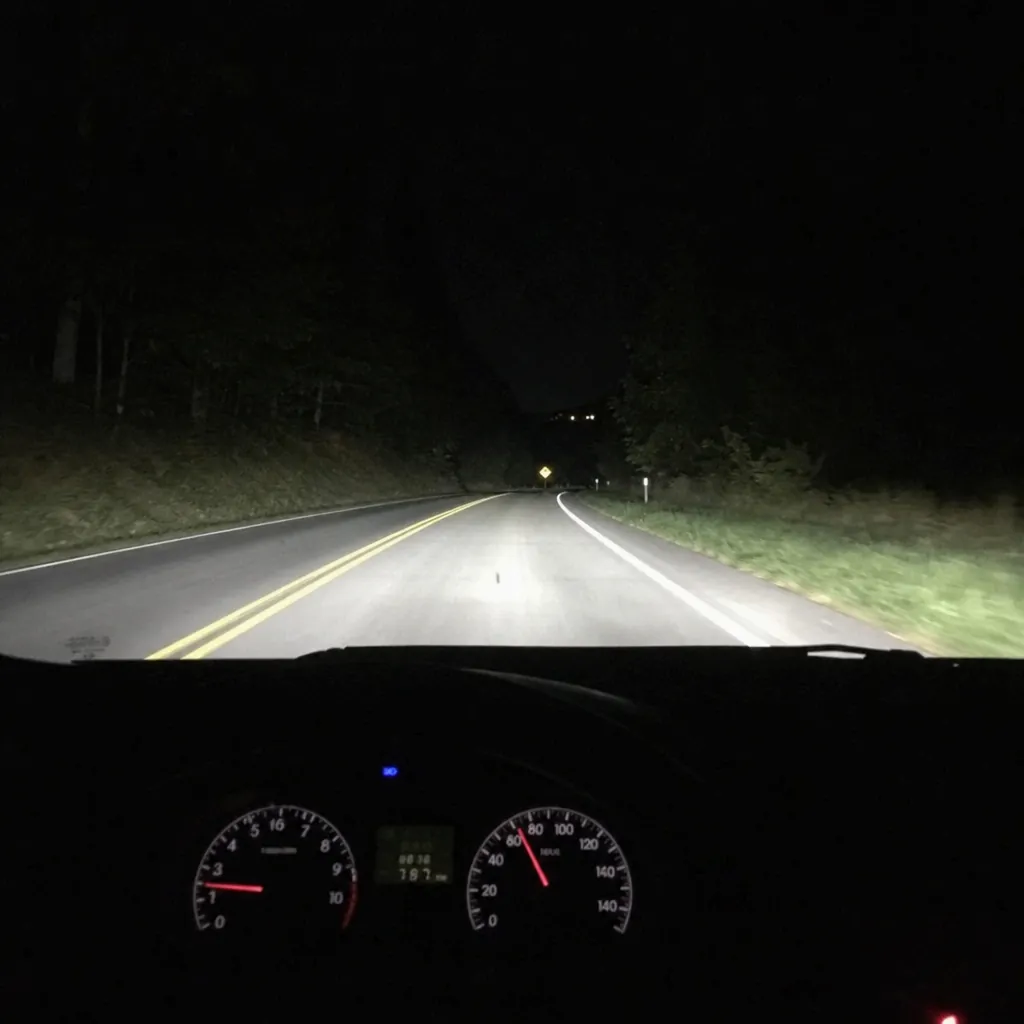
Many drivers underestimate the danger of oxidized lenses. Driving with heavily clouded headlights can reduce your light output by up to 80%. This means your reaction time to crossing animals, pedestrians, or road hazards is severely cut short.
Improving night driving visibility should be the primary motivation behind any headlight restoration project. A freshly restored headlight focuses the light beam properly down the road rather than scattering it into the surrounding fogged plastic. Restored lenses not only make it easier for you to see the road but also make it much easier for other drivers to see you approaching in poor weather conditions.
DIY Cleaning Kits vs Professional Service
Once you realize your lenses need help, you are faced with a choice: should you buy a kit from the local auto parts store, or hire a professional? Comparing DIY cleaning kits vs professional service is a common dilemma for vehicle owners.
The DIY Approach
Do-it-yourself kits are inexpensive and widely available. Most include some light sandpaper, a polishing compound, and a basic wipe-on sealant.
- Pros: Very affordable (usually under $30) and can be done in your driveway on a Saturday afternoon.
- Cons: Most DIY kits require a cordless drill and a fair amount of physical labor. If you don't know how to polish plastic with sandpaper correctly, you risk burning the plastic, leaving deep gouges, or damaging your car's surrounding paint. Furthermore, the sealants included in these kits usually only last a few months before the yellowing returns.
Hiring a Professional
So, is professional headlight restoration worth it? For most vehicle owners, the answer is a resounding yes. A dedicated headlight cleaning service has access to commercial-grade abrasives, machine polishers, and long-lasting sealants that simply aren't sold over the counter. When you look into headlight lens oxidation removal cost, you will typically find professionals charging anywhere from $75 to $150 for a pair of headlights. When you weigh this against the cost of buying brand-new headlight housings (which can run from $500 to over $2,000 depending on the vehicle), paying a local expert is incredibly economical.
How to Find the Best Local Experts
If you are ready to hire a pro, finding the right technician requires a bit of savvy searching. Simply typing "car headlight restoration near me" will yield dozens of results, but you need to know how to filter them. Here are the best ways to track down a quality service:
- Look for Mobile Auto Detailing Services: Many professional auto detailers offer mobile services where they come directly to your home or office. This is incredibly convenient. Search for "mobile detailing and headlights restore near me" to find someone who can fix your car while you work.
- Check Reviews for Specific Services: Look closely at online reviews. A body shop might have great reviews for collision repair, but you want to see specific praise for their cloudy headlight lens repair.
- Ask About Their Process: A good shop won't just rub some compound on your lights. If you search for "restore car headlights near me," call the top three results and ask them how they do it. If they don't mention sanding and a UV clear coat, hang up and call the next business.
- Seek Out Specialized Services: Sometimes, a specialized headlight restoration service is better than a general car wash that offers it as a cheap add-on. Specialized technicians understand the nuances of different automotive plastics.
Behind the Scenes: Automotive Lens Resurfacing Techniques
What exactly are you paying for when you hire a professional? The best local technicians utilize advanced automotive lens resurfacing techniques to physically remove the dead plastic and reveal the fresh layer underneath. Here is a breakdown of the gold-standard professional process:
1. Preparation and Taping
First, the technician will thoroughly wash the headlights to remove surface dirt. They will then apply multiple layers of automotive masking tape around the headlight housing. This protects the car's paint from accidental sandpaper scratches.
2. The Wet Sanding Headlights Process
This is the most critical step. Technicians use water as a lubricant to float away the plastic dust and keep the lens cool. The wet sanding headlights process involves moving through various "grits" of sandpaper.
- They may start with a coarse 400-grit paper to aggressively strip away the thick, yellow oxidized layer.
- Next, they move to 800-grit, then 1500-grit, and finally a massive 3000-grit paper. Each successive stage removes the scratches left by the previous grit, slowly turning the rough, opaque plastic into a smooth, frosted finish.
3. Machine Compounding and Polishing
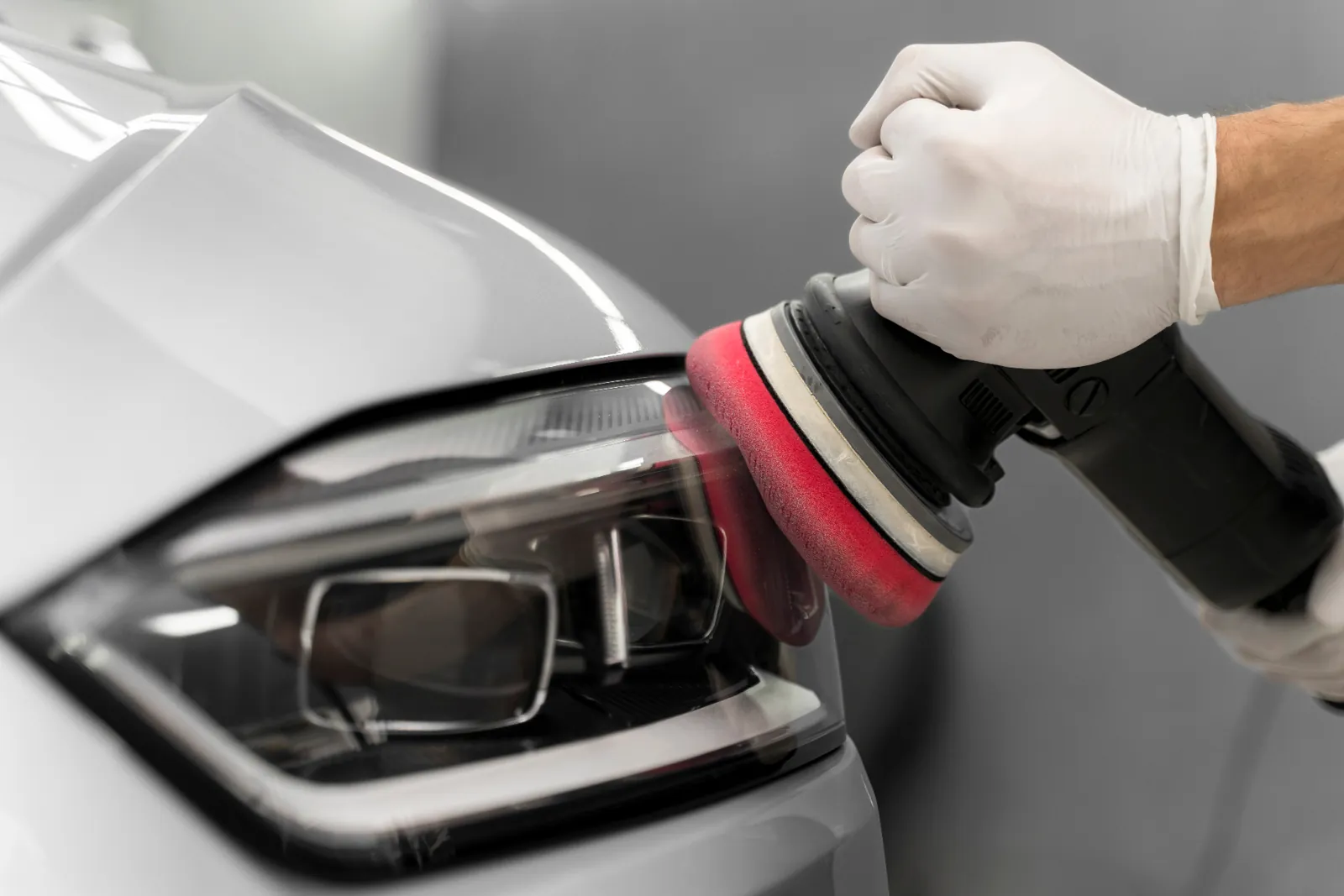
Once the sanding is complete, the plastic is smooth but still cloudy. The technician will then use a rotary or dual-action machine polisher combined with an abrasive cutting compound. This restores the optical clarity of the lens. It requires a skilled hand; staying in one spot too long with a machine polisher can melt the polycarbonate.
Locking in the Clarity: Coatings and Sealants
Sanding and polishing will make a headlight look brand new, but if the process stops there, the lens will turn yellow again in a matter of weeks. Because the factory protective layer was sanded off, a new barrier must be applied. This is what separates a cheap car wash polish from a premium restoration.
UV Protection Coating for Polycarbonate
A professional will always apply a high-quality UV protection coating for polycarbonate. This often comes in the form of a specialized automotive clear coat (similar to your car's paint). This clear coat is sprayed or wiped onto the polished lens, creating a physical barrier that absorbs the sun's rays and prevents oxidation.
Headlight Ceramic Coating Benefits
In recent years, ceramic coatings have revolutionized the auto detailing industry. Many top-tier technicians now offer ceramic sealants for headlights. The headlight ceramic coating benefits are vast: they bond completely at a molecular level with the plastic, provide extreme hydrophobic (water-repelling) properties, and offer superior resistance to harsh chemicals and UV rays.
Permanent Lens Clarity Solutions
If you are looking for permanent lens clarity solutions, ask your local professional about applying Paint Protection Film (PPF). After fully restoring the lens and applying a ceramic coat, wrapping the headlight in a clear protective film guarantees that road debris and UV rays will never touch the bare plastic again. If the film gets damaged years down the line, it can simply be peeled off and replaced, leaving a pristine headlight underneath.
Summary Checklist: Before You Book
Before you type "restore headlights near me" one last time and book an appointment, keep this quick checklist in mind to ensure you get the best value:
- Confirm the method: Ensure they utilize a multi-step wet sanding process.
- Verify the protection: Ask specifically what type of UV sealant or ceramic coating they apply at the end.
- Check for a warranty: Many reputable local services offer a 1-year warranty against re-yellowing.
- Assess the convenience: See if mobile auto detailing is an option in your area to save you a trip to a physical shop.
Conclusion
Ignoring cloudy, yellowed headlights is a gamble with your nighttime safety that simply isn't worth taking. While DIY kits offer a tempting shortcut, the longevity, optical clarity, and ultimate safety provided by professional automotive lens resurfacing techniques cannot be matched.
By understanding the importance of proper wet sanding, machine polishing, and UV sealing, you are now equipped to make an informed decision. Take the time to research a highly-rated headlight restoration service in your city. Whether you opt for a local body shop or convenient mobile detailers, investing in crystal clear headlights will instantly rejuvenate your car's appearance, increase its resale value, and most importantly, illuminate your path safely all year round.
Related reading
Ready to restore your headlights in Monument or Colorado Springs?
Book Now